Begin with conditions, not a highlight list
Death Valley requires a conditions-first plan. Consult the current NPS alerts, road information and forecast before choosing destinations. A route that appears in an older itinerary may be closed or unsuitable, and the park's scale means a detour can be consequential.
For a short first visit, choose a developed-road outing that matches the vehicle and conditions. Do not interpret an apparent shortcut on a navigation app as an invitation to use an unfamiliar backcountry road. The objective is to see part of the landscape well, not to create a remote driving problem in order to reach one more viewpoint.
Keep heat separate from enthusiasm
The park explicitly advises against hiking at lower elevations when it is hot. Take that guidance seriously when deciding what the day will contain. An early start does not make every long outing appropriate, and a brief stop can still involve exposure when everyone leaves the vehicle.
Review the official safety guidance, carry the recommended supplies and be prepared to shorten the visit. If anyone feels unwell, respond to that situation instead of continuing because the next stop is famous. Never leave people or pets in a parked vehicle as a way to maintain the itinerary.
Compare the whole driving day
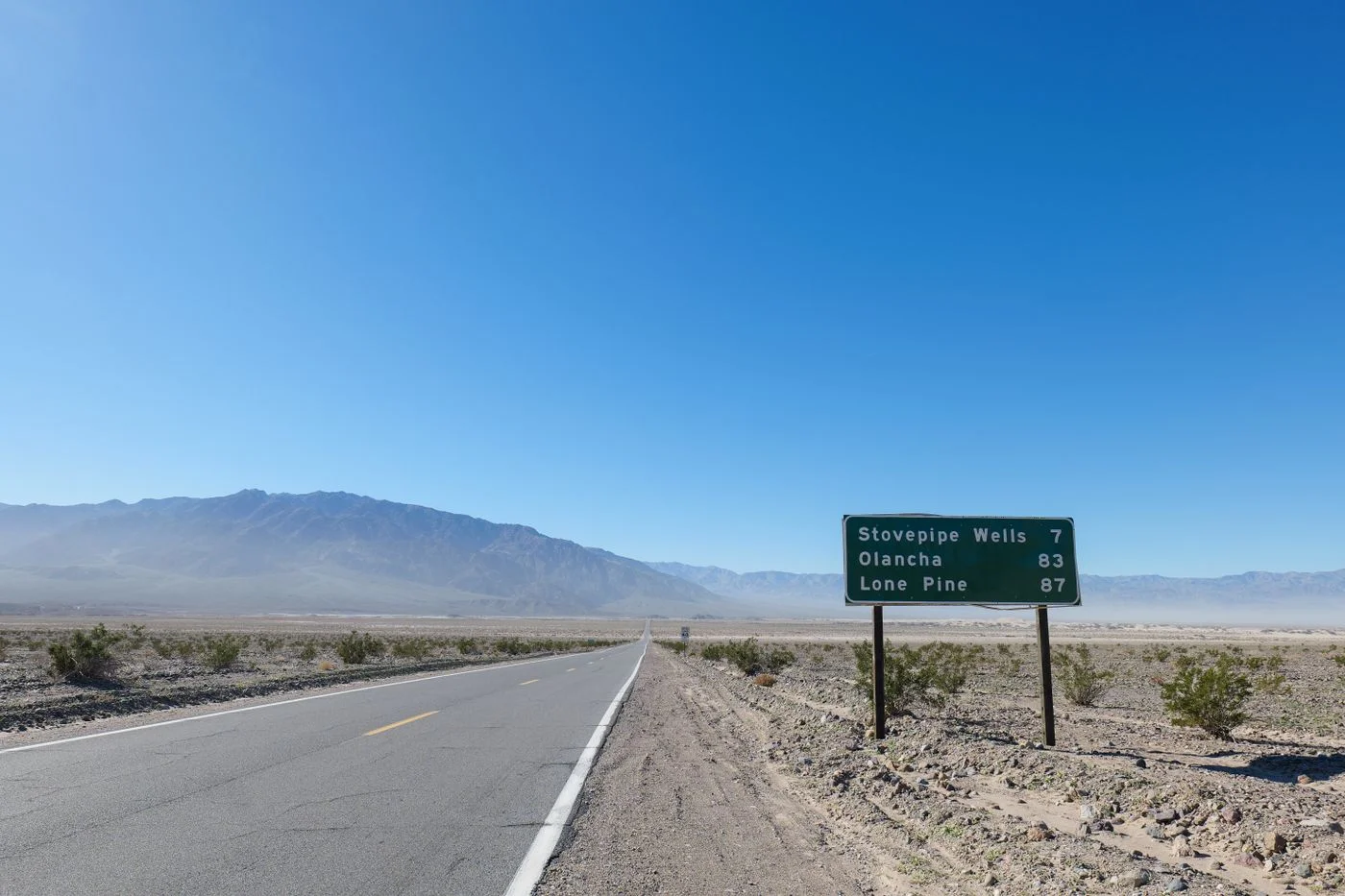
A visit from a distant base involves the approach, the park roads and the return. Write all three into your plan. A map can make a group of attractions seem close together while concealing how much driving is required before the first stop and after the last.
Fuel, water and communications need deliberate preparation. NPS notes limited to nonexistent mobile service in much of the park. Save the relevant maps and details offline, share your plan with someone appropriate and do not rely on being able to solve every problem through a phone search after arrival.
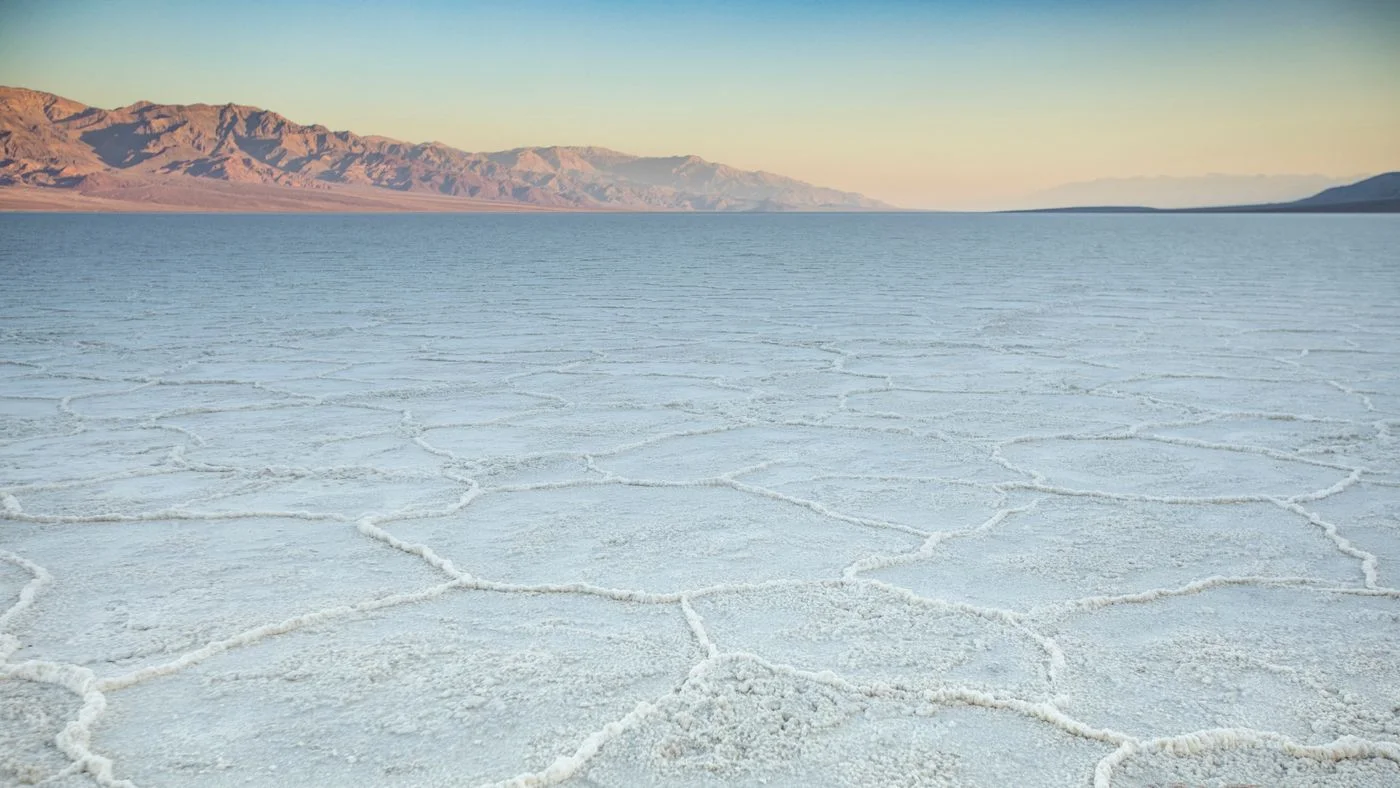
Select a modest number of stops with different purposes. A broad overlook and a suitable short roadside visit can offer a full introduction without chasing every landmark. If conditions remove one of them, choose from the currently appropriate alternatives rather than automatically replacing it with a more remote destination.
Know when the visit is finished
Decide on a return time that leaves room for delays and ordinary breaks. A dramatic sunset can be attractive, but it also adds a late drive and should be planned as such. If that does not fit the group, leave earlier.
Death Valley is a destination where an intentionally limited visit can be the most sensible choice. The park's size and conditions deserve respect, and a successful short trip may cover only a small part of the map.