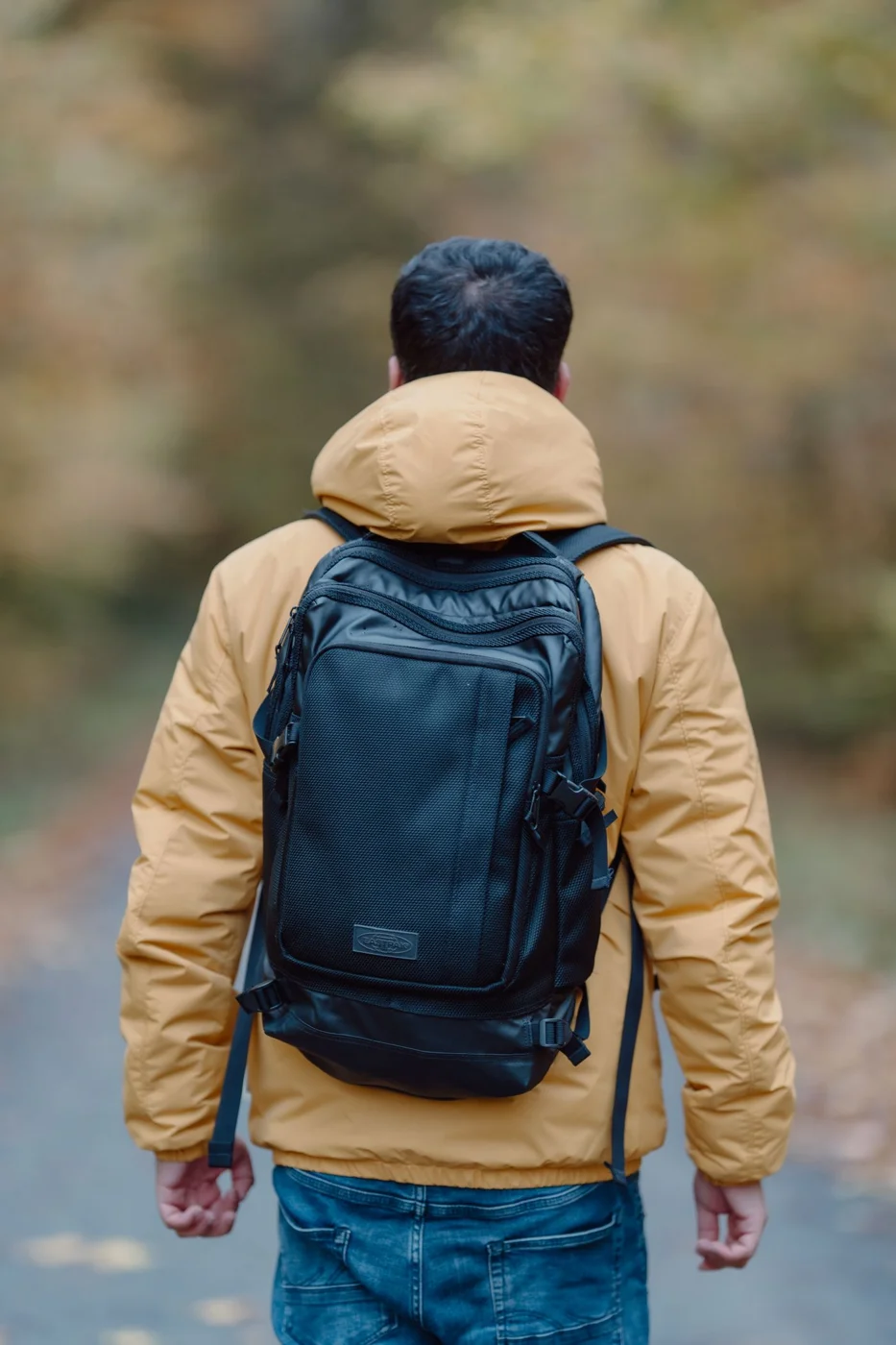
Begin with the bag you are allowed to carry
For a flight, check the airline's current personal-item rules for your fare and route before choosing the bag. The phrase personal item is not a universal size standard. Measure the packed bag, including parts that protrude, and make sure it can close without relying on compression that disappears as soon as you take something out. A bag that works on one carrier may not meet another carrier's conditions.
For a train or bus journey, check that operator's baggage arrangements instead. Think about lifting the bag onto storage space and keeping it near you during transfers. The most useful size is the one you can comfortably handle through the entire journey, not simply the largest size the operator permits.
Lay out the two days
Write the activities in order: arrival, first evening, full day, second evening and departure. Identify any genuine clothing change, such as a specific event with a dress requirement. Then look for overlap. The same outer layer may work for the journey, a city walk and dinner. A separate outfit for each block usually creates more volume than a two-night stay needs.
Choose clothing that works together and that you already know is comfortable. The trip is a poor time to test an unfamiliar shoe or an outfit that requires special care. Allow for the forecast, including rain and the temperature after dark. If the plan contains both a long walk and a formal event, acknowledge that the smallest bag may not be the most convenient option.
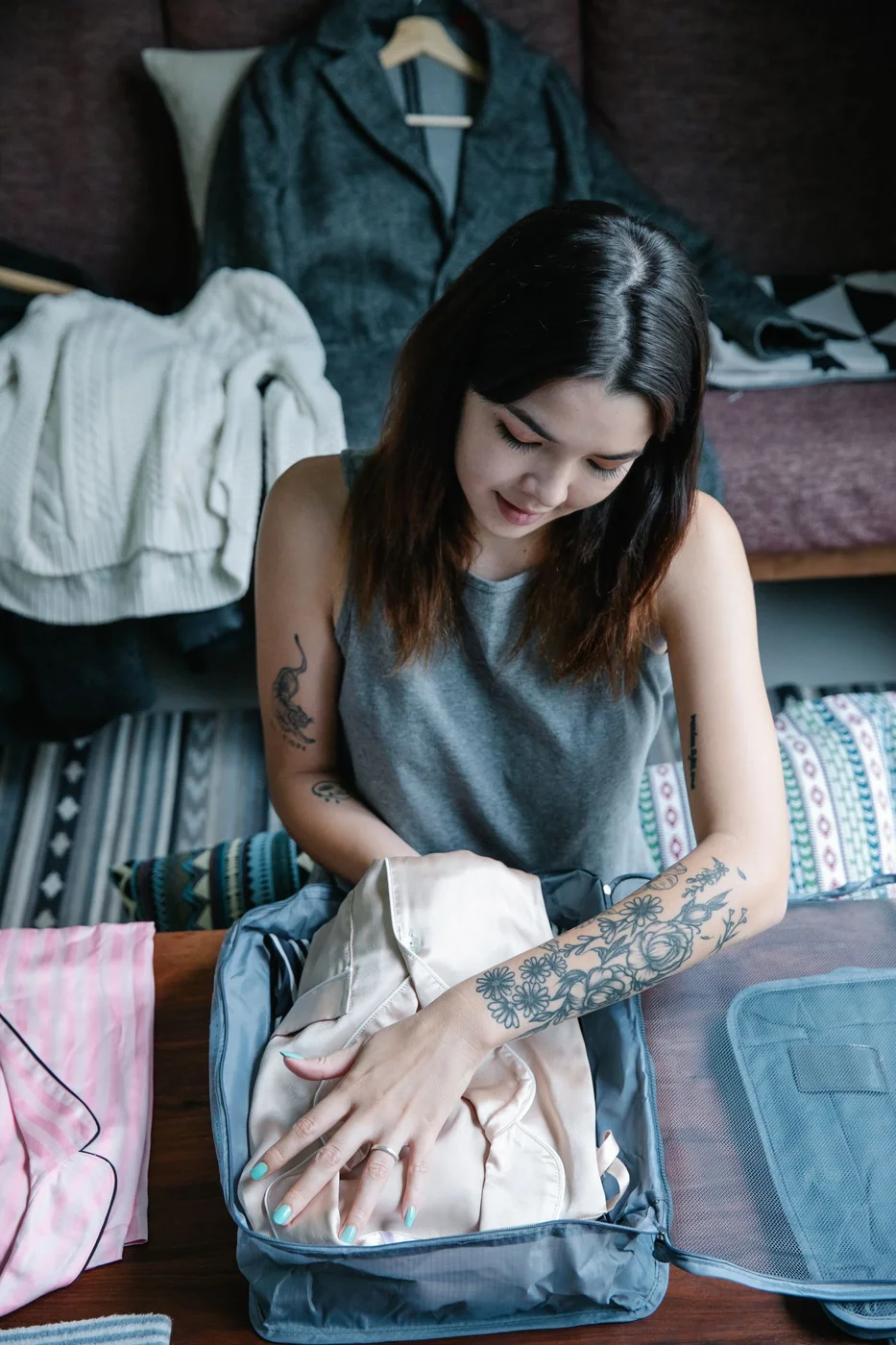
Put the largest clothing items in first, then see what space remains for toiletries and other necessities. Use the accommodation's confirmed facilities to decide what you can leave at home; do not assume something is provided merely because another hotel supplied it. For air travel, check current security restrictions on liquids and other items through the relevant official guidance.
Make the arrival items easy to reach
Keep the things needed before check-in in an accessible part of the bag. That could include travel documents, the hotel address, a charger, a rain layer and any personal essentials. You should not have to open the entire clothing compartment on a station floor to find a booking confirmation.
Separate anything that might leak and protect paper items from damp clothing. Packing pouches can make the bag easier to use, but they also take space. Use a small number for distinct purposes rather than adding an organizer for every object. A bag with a clear internal arrangement is more useful than one filled with containers whose contents you cannot remember.
Rehearse the transfer
Pack the actual load and carry it for a short walk, including stairs if those are part of the journey. Notice whether you can reach a ticket or phone without putting everything down. If the bag is uncomfortable before leaving home, removing a nonessential item is likely to help more than buying another small accessory.
Leave some space for the return. Used clothing and a hurried checkout rarely repack as neatly as the original arrangement. A small souvenir should not require a second bag that changes your travel allowance. When the kit closes easily and you can move comfortably with it, stop refining the packing list and focus on the trip.