The peninsula is larger than a weekend map
Olympic National Park and the surrounding peninsula contain mountains, forest, lakes and ocean coast, but these environments are not linked by a quick road through the center. A two-night trip from Seattle needs a geographical choice. A northern base around Port Angeles supports a different plan from a western base around Forks and the coastal or rainforest areas.
Choose the landscape that matters most, then select the base and approach. Do not book a room first and discover that each desired outing is on a different side of the peninsula. The official park map is the starting point for understanding those distances.
Ferry or road is a real decision
A ferry can be part of the journey from Seattle, but its terminal approach, waiting and operating arrangements must be included. Consult Washington State Ferries for the exact route and date. Reservation policies differ by route, so do not assume a booking is available or required simply because another ferry uses one.
A road-only approach avoids one set of logistics but creates another drive. Compare complete journeys from your actual starting point, not only the time spent on the crossing. If an inflexible check-in or activity is involved, allow enough margin whichever option you choose.
The northern version
A northern base can combine Port Angeles with a selected park outing, such as an accessible area around Lake Crescent or another destination supported by current conditions. Hurricane Ridge access is subject to its own current arrangements and weather, so check the park's official guidance before making it essential.
Use the full day for one main landscape and a modest additional stop. Do not assume a mountain outing and a far-west beach visit belong in the same day simply because both are in Olympic National Park. The road between them is part of the visit and can consume much of the available time.
The western version
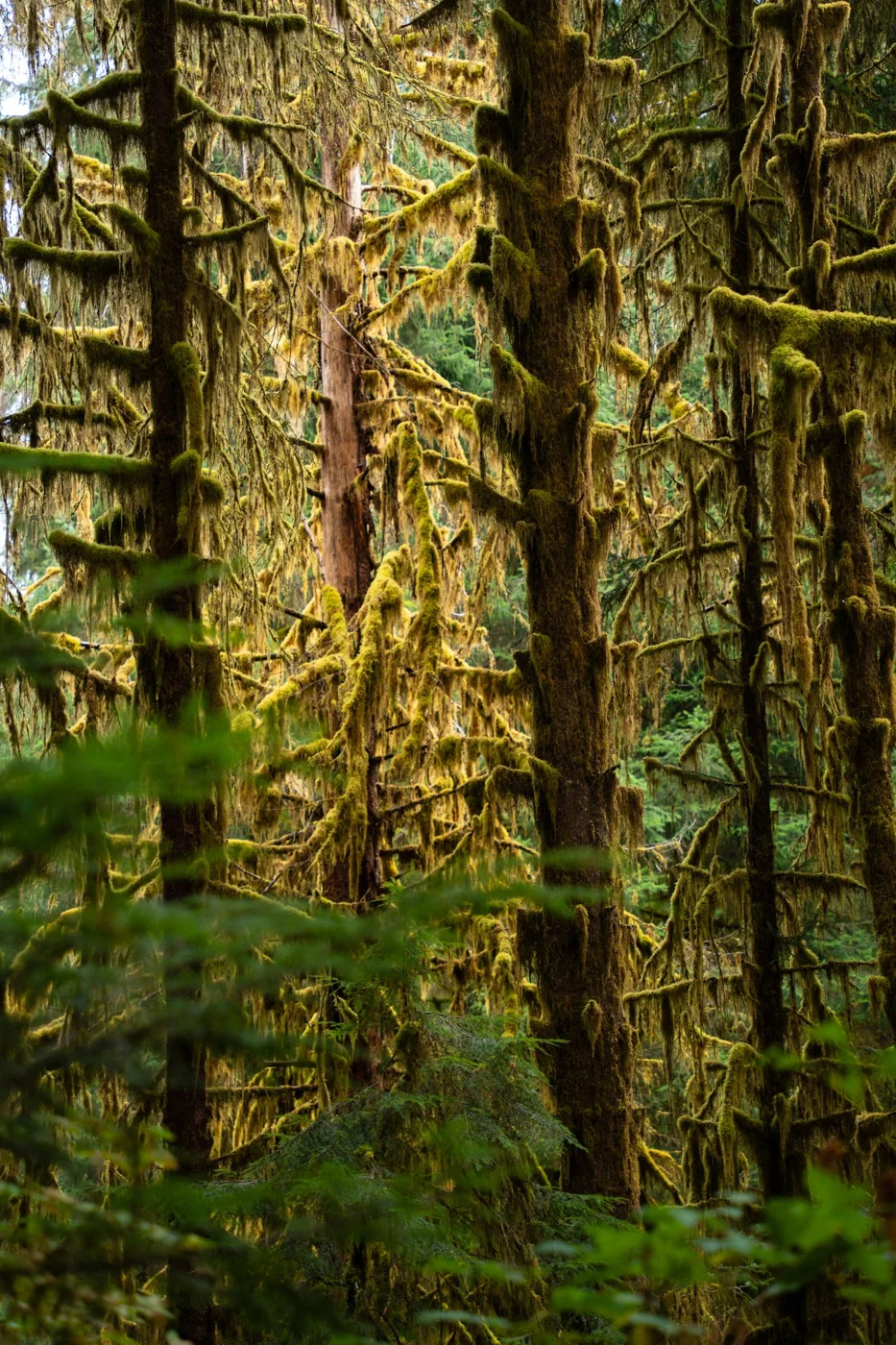
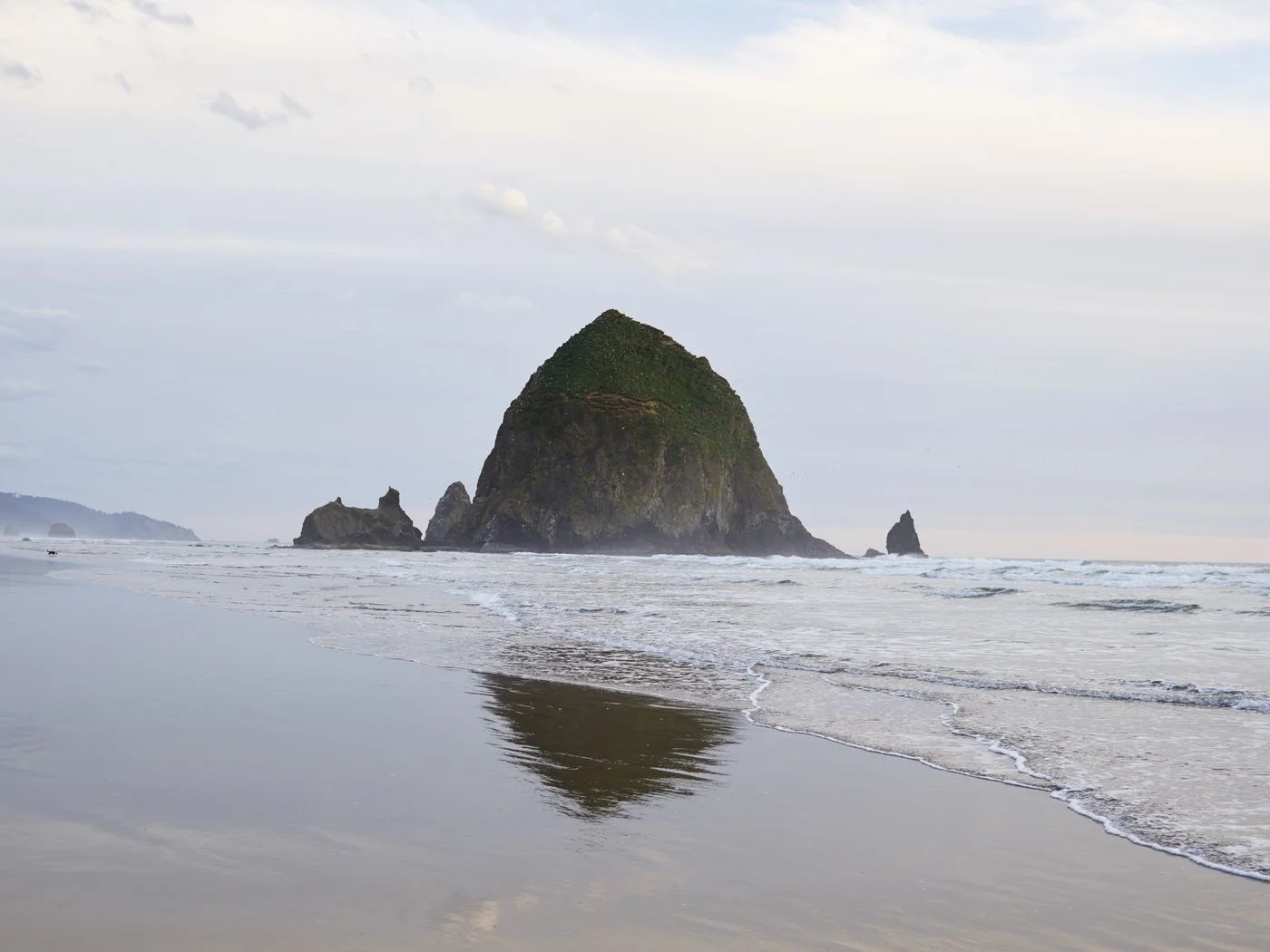
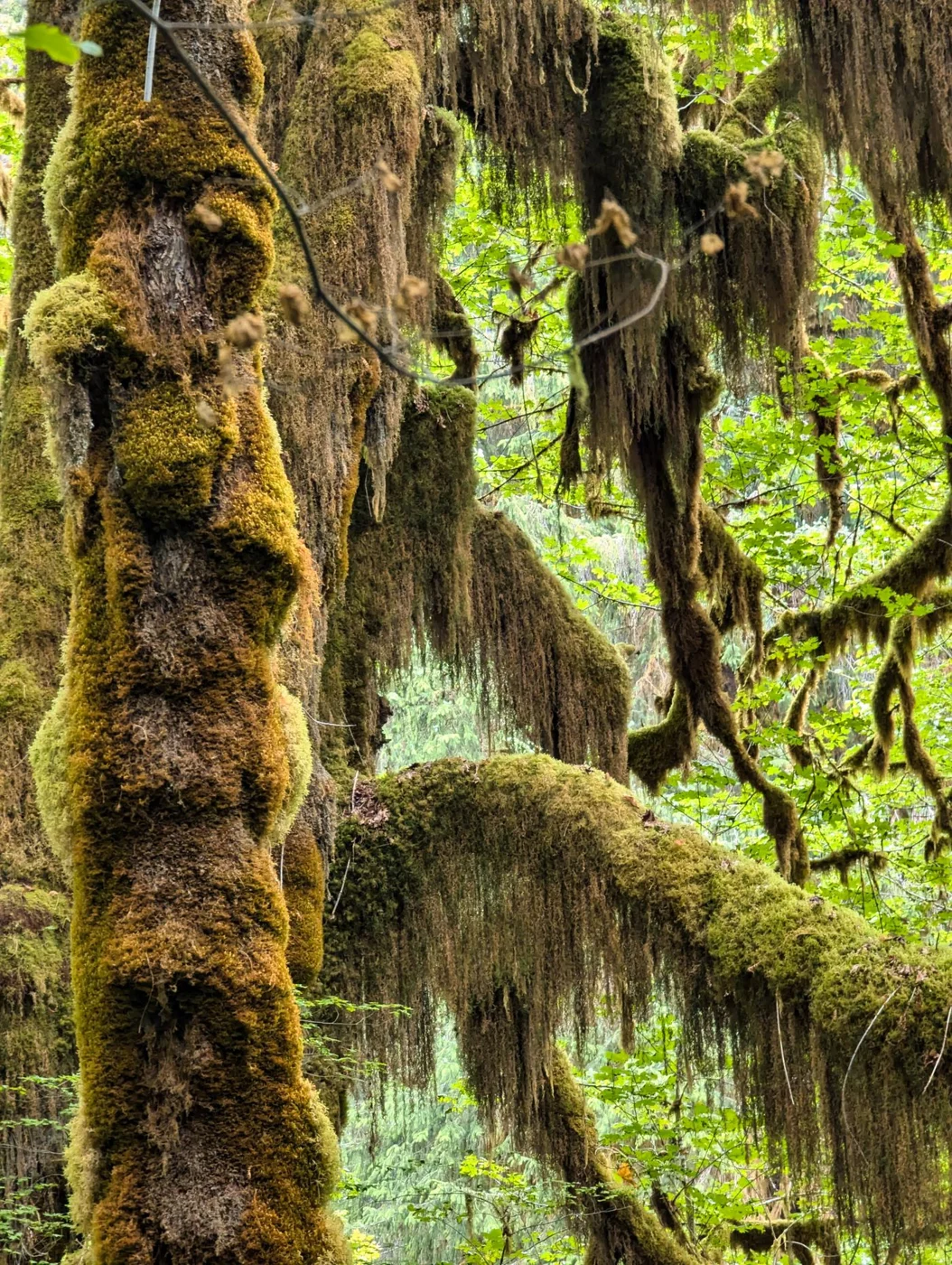
A western base makes more sense when the ocean coast or rainforest is the priority. Select the exact trail or public access and consult current conditions. Coastal walks can involve tides and other specific hazards; use the park's guidance and choose an outing appropriate to your preparation. A scenic photograph is not a route description.
The Hoh area and other popular destinations can involve their own access delays or changes. Keep the day flexible and avoid a chain of timed commitments after an uncertain arrival. If a particular area is unavailable, use a permitted alternative rather than assuming an unmarked road provides another entrance.
Food and communications belong in the plan
Identify where meals and supplies will come from, especially when staying away from larger towns. Save maps and confirmations before leaving a reliable connection. These preparations help the day remain calm without encouraging a more ambitious route than the available time supports.
Choose a property whose setting you can enjoy if weather changes the outdoor plan. A two-night stay has more resilience when an afternoon at the base is acceptable, rather than every hour depending on access to a distant viewpoint.
Compare two concrete versions before booking
For a northern version, imagine arrival in the Port Angeles area, a settled day focused on one northern park landscape and a short local departure morning. The advantage is a smaller radius once you arrive. The cost is deliberately leaving the far-west coast and rainforest for another stay.
For a western version, accept a longer transfer to the chosen base and make the main day about a specific coastal or rainforest outing. The advantage is time near that landscape; the cost is giving up the idea of a quick mountain stop on the opposite side. Do not try to recover the omitted northern experience by adding it to the final morning before a Seattle deadline.
Writing these two versions side by side often reveals the right choice more clearly than comparing hotel rates first. If neither version feels sufficient because you strongly want both environments, the answer is more nights and possibly two bases. A two-night trip cannot remove the road distance between them, however early you intend to start.
The return is not another sightseeing day
Keep the last morning short and on the homeward side of the itinerary. Recheck ferry or road information before setting off and preserve margin for the final Seattle approach. If you want to complete a peninsula loop, allocate more nights so the different environments receive time rather than become a list seen through the windshield.