A section is enough
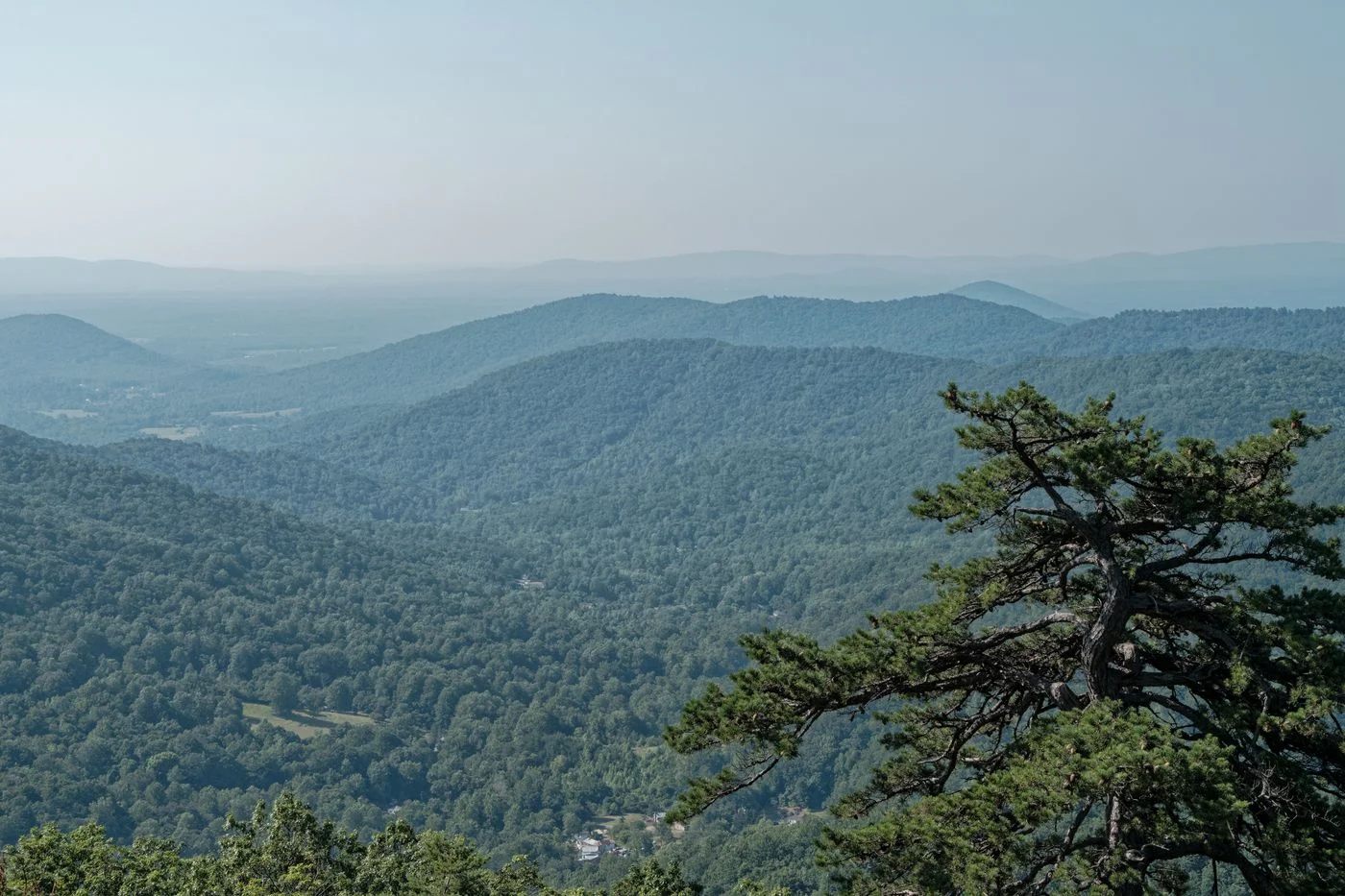
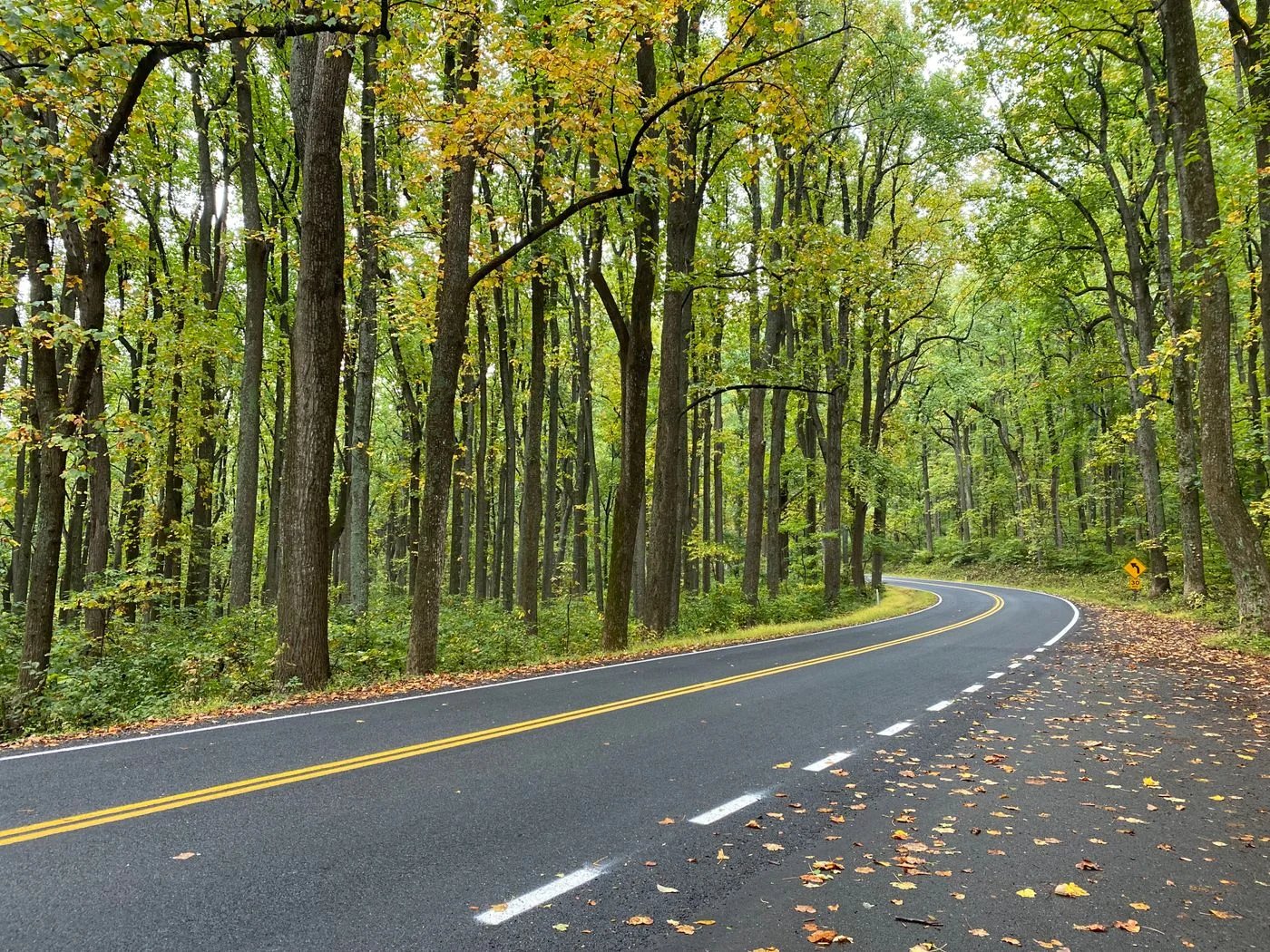
Skyline Drive runs for 105 miles along Shenandoah National Park. That length can tempt a first-time visitor into treating the road as a route to finish. For a short visit, a selected stretch is usually a better organizing idea: enter near your overnight base, stop where visibility and parking suit you, and leave time for one activity away from the car.
Begin by marking your chosen entrance and exit on the official park map. The vehicle entrances are widely separated, so a hotel described as being near Shenandoah may still be poorly placed for the section you intend to visit. Look at the entire approach from the hotel to the entrance, then the drive inside the park. Do not measure convenience by a straight line to the park boundary.
Let your overnight base decide the shape
For a first visit, compare an out-and-back day with a day that leaves through a different entrance. Returning along the same road is not wasted travel if it keeps the evening simple and lets you stop at viewpoints missed earlier. A through-drive can fit a longer journey, but the road beyond the park and the next night's lodging must be included in the schedule.
Choose two or three possible stopping areas in advance rather than an appointment at every overlook. If clouds obscure one view, you can keep moving without feeling behind. If the light is good and everyone wants to linger, there should be room to do that. Travel time estimates are a starting point for the driving, not a budget for the whole day.
When comparing lodging, ask what will happen after sunset. A room nearer the next morning's park entrance may simplify the drive but offer fewer meal choices than a larger town. Plan dinner and breakfast alongside the room, especially outside the busiest season. Fill up or arrange charging before the park day instead of making a nearly empty battery or tank part of the itinerary.
Add one walk deliberately
Select a walk using the park's current trail information, including distance, elevation change and conditions. A short distance alone does not establish that a trail is suitable for everyone in your group. Decide whether the purpose is a woodland break, a longer hike or a viewpoint; these are different commitments. The road trip should not quietly become a strenuous hiking day because a trailhead happens to be nearby.
Give the walk a start time and a sensible turnaround point based on conditions and your group's pace. Keep a lower-effort option in the plan. If a trail is closed, use the park's advice to choose another activity rather than walking around a barrier or improvising a shortcut. A second overlook and a picnic can still make a satisfying afternoon.
Check the mountain road itself
Weather can close Skyline Drive. Check the official road and park alerts before setting off, not just the forecast for the town where you slept. An open road also does not guarantee a clear view. Keep a town-based alternative for a day when the mountain portion would offer little enjoyment.
Download the park map before arrival and share the day's route with your companions. Use designated parking and let the driver concentrate on the road between stops. End the itinerary with some unallocated time: queues, a slow lunch or an unexpectedly good view should be able to change the day without turning the return journey into a rush.