Work downhill with a return plan
Seattle's central waterfront and Pike Place Market look close together because they are, but the change in elevation affects how a walking day feels. Plan the connections as carefully as the attractions. An easy descent early in the day can become an unwelcome climb when you are tired, carrying purchases or traveling with someone who needs step-free access.
Start with the market if browsing and breakfast are priorities, then make your way toward the waterfront using an appropriate route. Leave time to look around rather than scheduling an immediate boat departure afterward. If a cruise or ferry is the main event, reverse the logic: work from its check-in requirements and let the market fit around that commitment.
Choose one second cluster
Seattle Center offers a clear second focus for a short trip, with several attractions in one area. Select the interior you most want to visit and avoid buying tickets for every neighboring venue. A museum and time outside can make a complete half-day. A neighborhood such as Ballard provides another direction, but it requires its own transport and should replace a block rather than extend an overloaded one.
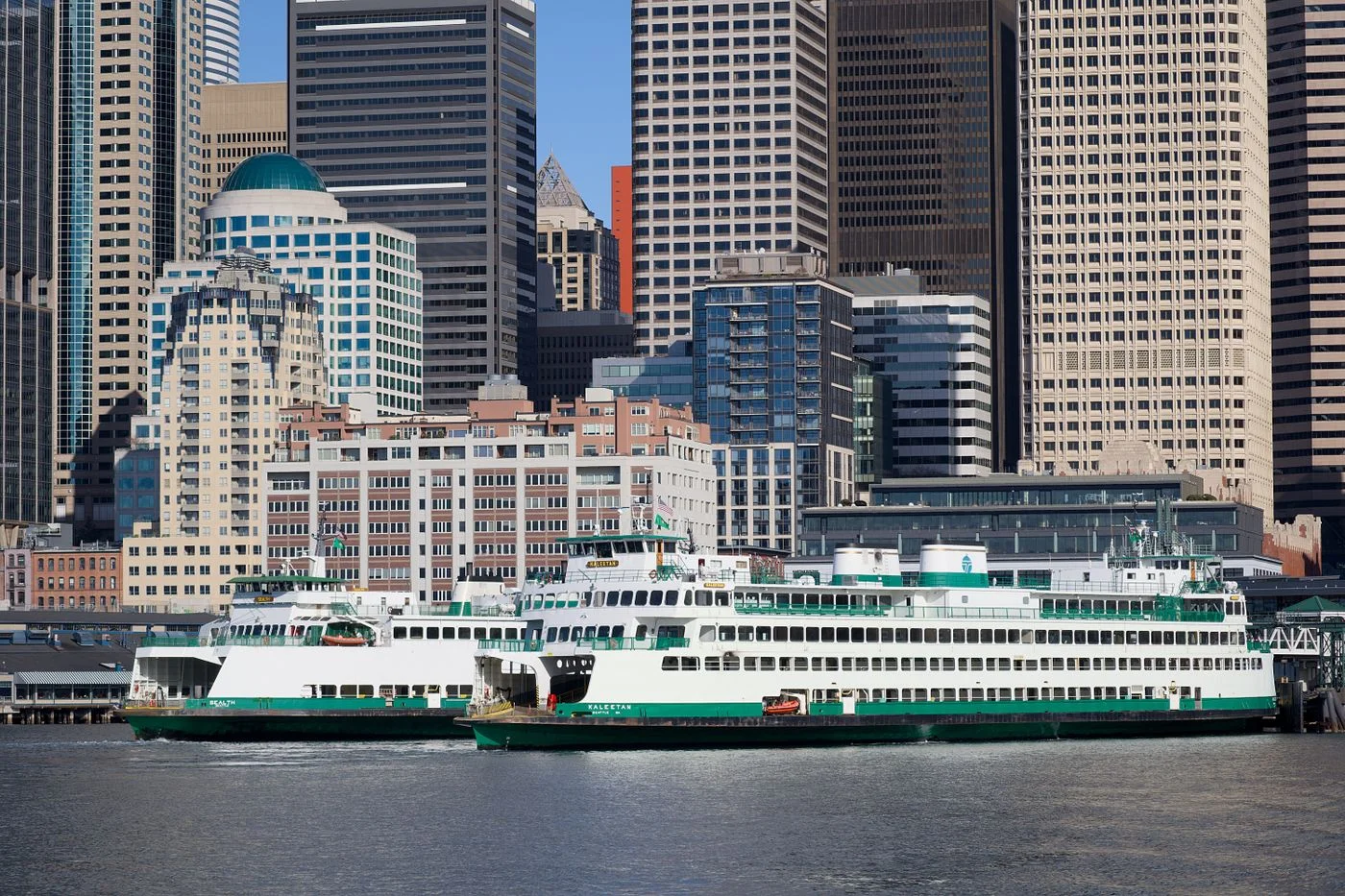
A ferry ride can be enjoyable, yet it is still a transport journey with a return schedule. Decide whether you want the crossing itself or time at the destination. Those are different plans. Check the operating route and current timetable, and keep enough margin before any dinner reservation or onward travel.
Three distinct neighborhood alternatives
Pioneer Square is a useful choice when history and an urban walking area appeal more than another major ticketed attraction. The Klondike Gold Rush museum offers a specific historical subject to explore, with its own opening information. Pairing that area with a nearby meal gives the second day a different emphasis from the market and waterfront, without pretending it represents the whole city.
Ballard is a more substantial neighborhood excursion. Decide whether you are going for its shops and food, the locks or another particular stop. Those interests can be combined with enough time, but the neighborhood name alone is not a complete route. Locate the actual destinations and work out the return before committing to a dinner elsewhere.
Seattle Center is the clearer choice when the group wants one of its large attractions. Choosing a museum there can be easier to organize than a sprawling neighborhood day, especially with children who have a specific interest. The tradeoff is that a ticketed visit may absorb most of the block. Pick the alternative that changes the subject from day one in a way your group will enjoy, rather than adding all three as proof of coverage.
Keep the weather plan nearby
When rain interrupts a waterfront walk, move to an indoor stop in the same general area. Crossing the city solely to escape a shower can use more time than it saves. Choose footwear for wet pavement and carry a layer that you will actually use throughout the day.
Hotel choice should reflect the evening as well as sightseeing. Map the route from the airport or station with luggage, then examine the walk to your main daytime cluster. A less expensive room can work well if its connection is straightforward, while an inconvenient final transfer may erase that advantage over only two nights.
Before leaving, check local event and transport information for your dates. Seattle's shoreline is best enjoyed with a little unassigned time: a viewpoint, a meal or a pause watching the water can be the reason the short visit feels complete.